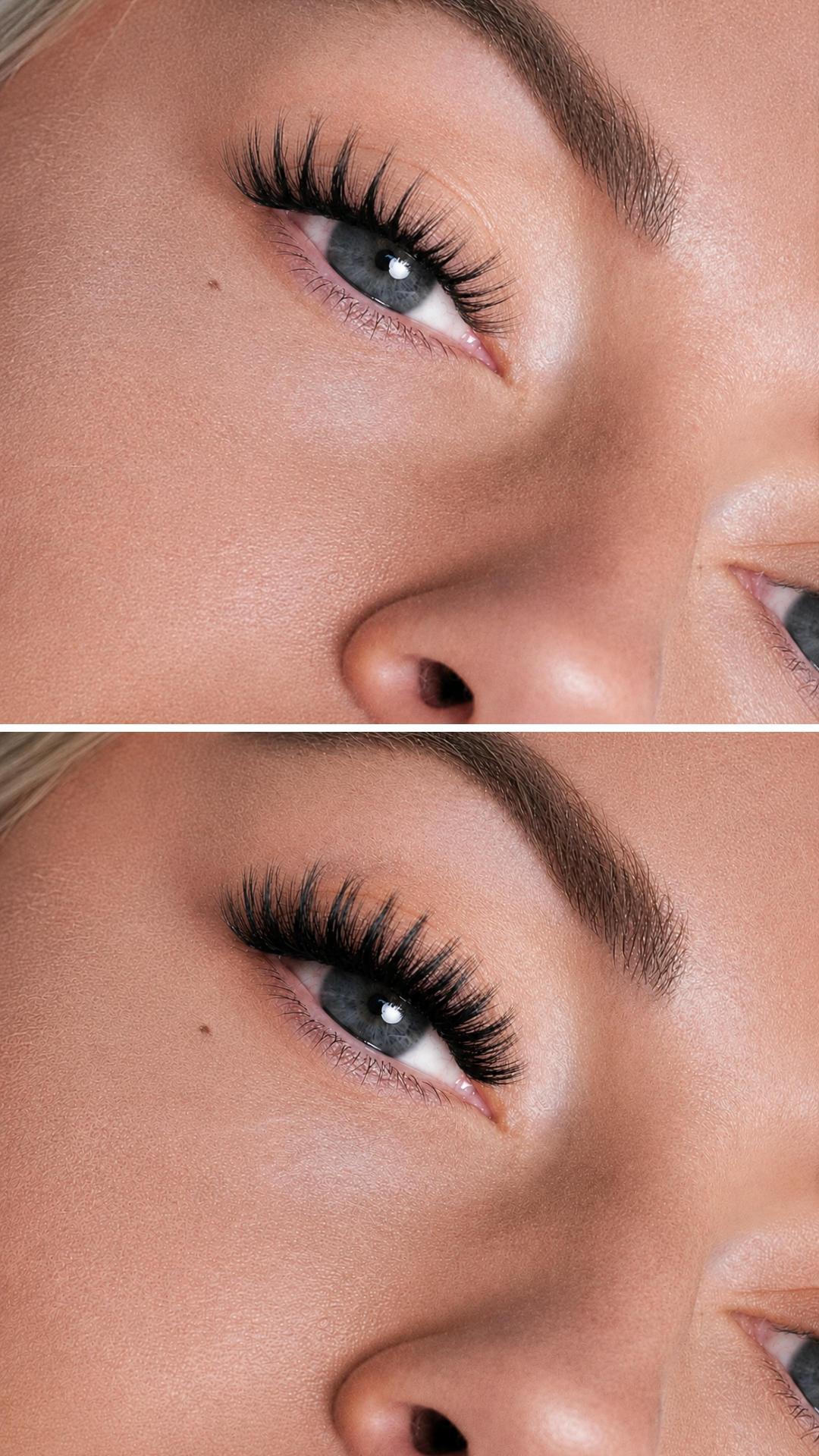
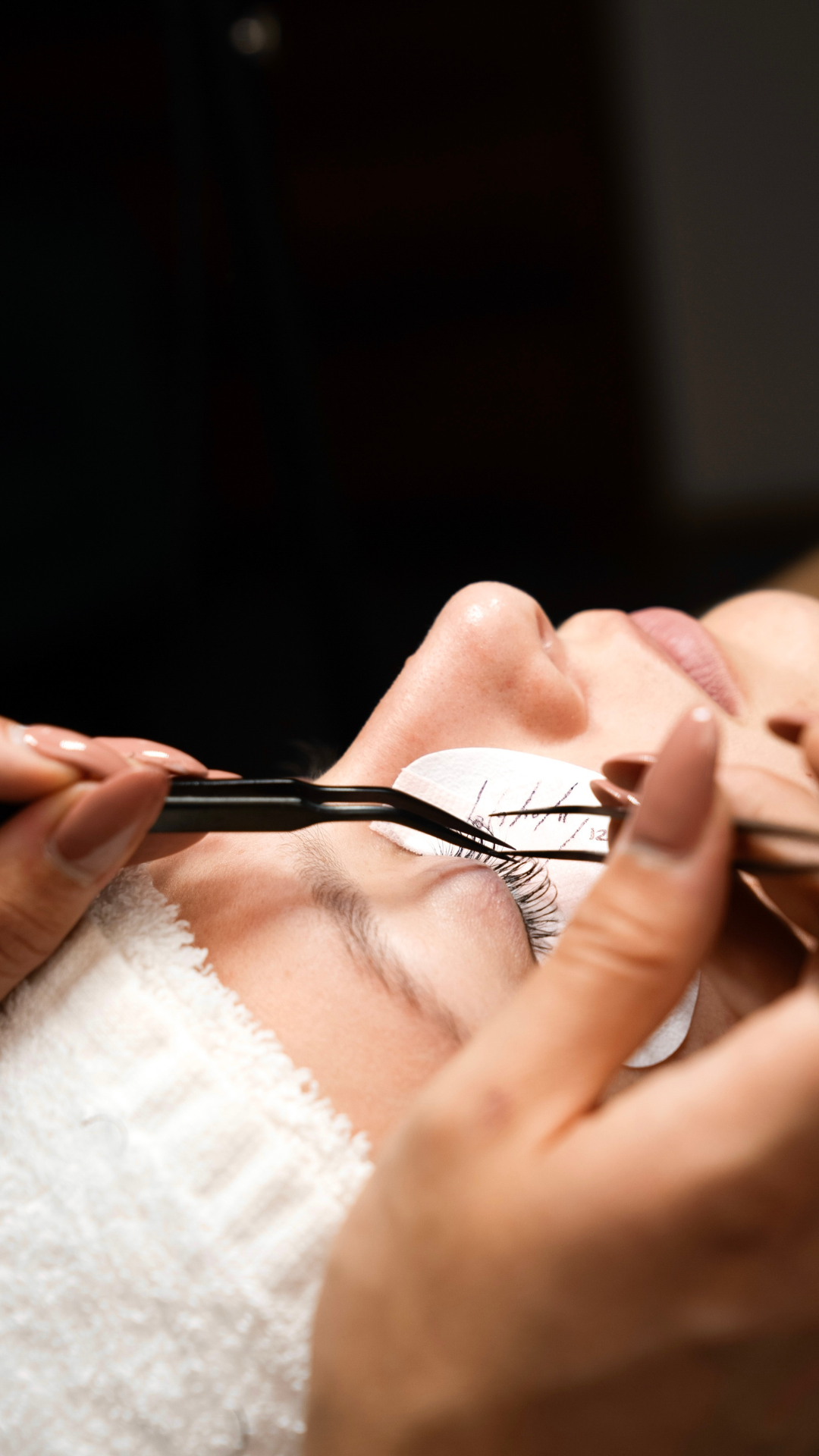
We get a lot of DMs about retention, and most of the time the questions come down to the same handful of things. So let's go through them.

My client's retention is bad, what should I be asking them?
A few questions can tell you a lot before you even touch their lashes.
- Do they work in a hot, oily environment like a kitchen?
- Do they do hot yoga or work out regularly?
- Do they use a sauna or hot tub often?
- Do they pick or touch their lashes?
- Do they blow dry their hair daily?
- Do they wear make up everyday, or use an oil based makeup remover or facial product?
If you get a yes to any of these, it's worth moving them to a 2 week fill instead of 3, then reassessing from there. You can also recommend applying Superbonder daily at home to help build resilience against oils, sweat, and humidity (I wrote a blog you can read here on this).
Does sunscreen actually affect retention?
Yes. Sunscreen is one of the harder things to fully remove from the natural lash, and residue left behind can affect how well the extensions hold. If a client is coming in for an appointment, it helps to ask them to use a lash safe or oil free sunscreen that day, or to do a thorough cleanse right before their appointment so any residue is removed before you start.
A client keeps losing lashes in the same spot, could it be something other than retention?
It is worth considering trichotillomania, which is a hair pulling disorder involving repeated, hard to resist urges to pull hair from the follicle. Clients dealing with stress, anxiety, or major life events sometimes do this without fully realizing it. If you notice a pattern, gently bringing awareness to it can help. From a technical side, keeping your extensions at or under the width of the natural lash base, with no exposed base, can reduce the urge to pick. Continued pulling can lead to permanent follicle damage, so this is worth taking seriously rather than writing off as a retention issue.
Honestly, is it ever me?
Yes, sometimes. Most retention issues do come back to technique or product. But not always. A thorough consultation that actually digs into your client's lifestyle, habits, and skin will tell you whether you are dealing with a technique issue or something outside of your control. Either way, that information is what lets you set realistic expectations before the appointment even starts.